![[YMCA of Upper Palmetto LOGO SQ]](https://recliquecore.s3.amazonaws.com/imgs/ymca_logos/named_y/blue_purple.png)
![[YMCA of Upper Palmetto LOGO FULL]](https://s3.amazonaws.com/recliquecore/imgs/ymca_logos/named/blue_purple.png)
CHILD PROTECTION AT THE Y
The safety and well-being of children in our care is, and always will be, our top priority.
Our Commitment
As a youth-serving organization, The YMCA of Upper Palmetto is committed to keeping children safe in our community. That any child or teen would experience harm in our care is unacceptable. Ensuring the safety and well-being of young people is foundational to everything we do at the Y to help them learn, grow and thrive. If you have any questions about our child protection policy or suspect abuse at one of our facilities, please complete a Y Report OR contact [email protected] OR 803-324-9622.
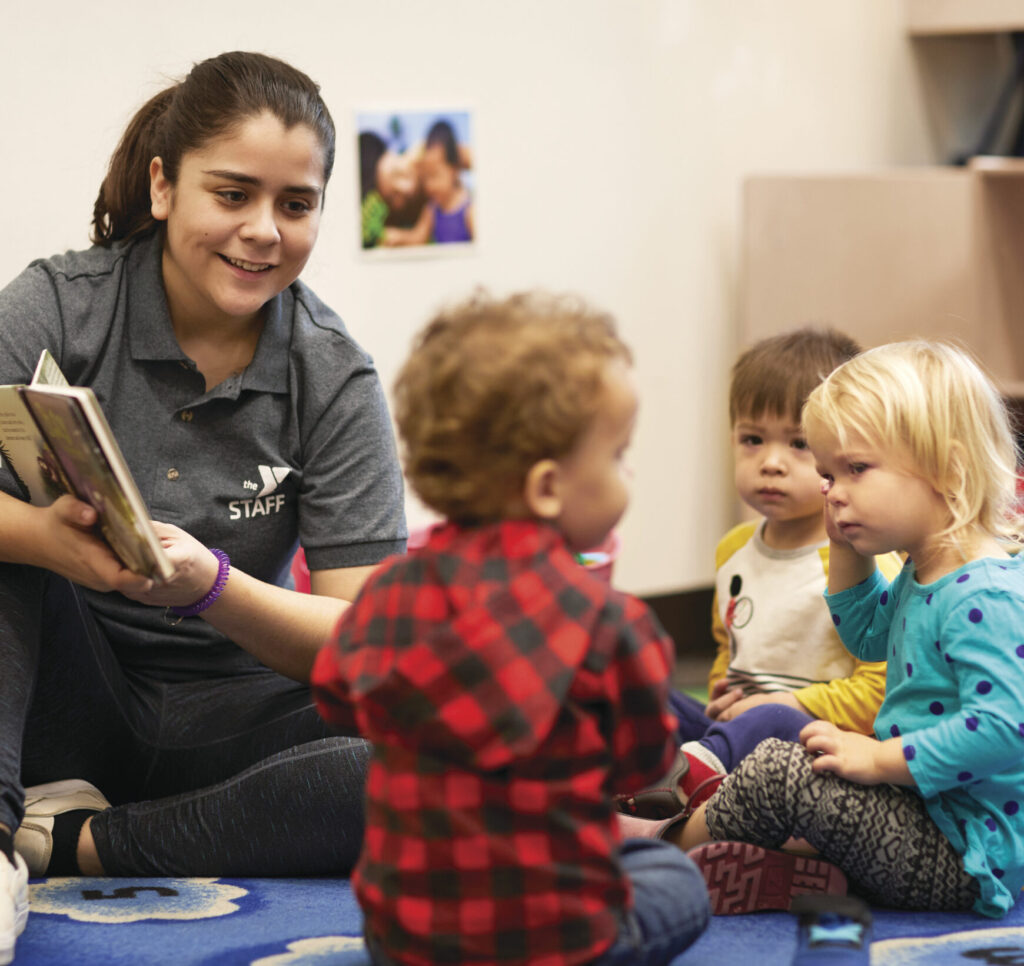
How We Create Safe Spaces for Children and Teens
As an organization, we have taken the following actions to keep kids safe in our Y facilities, camps and programs and to maintain the reputation of safety we have built during our 175-year history.
- All Ys in the U.S. are required to implement child sexual abuse prevention practices and policies to remain a member in good standing with the National Council of YMCAs. At the YMCA of Upper Palmetto, these are reflected in our Code of Conduct.
- We engage external experts in abuse prevention (Praesidium) to work with all 2,600 Ys across the country and provide access to a comprehensive self-assessment as well as best practices in screening, training, supervision and reporting practices.
- We partner with passionate local Y leaders who facilitate peer-to-peer learning and continuously improve and strengthen Y abuse-prevention efforts. Specifically, we work alongside the YMCA Champions for Child Protection — a collective of Y CEOs committed to activating the power of the Y and other youth-serving organizations to engage communities, improve internal operations and advance policy and environmental change to protect children from sexual abuse.
- We work closely with strategic partners to advance federal policies that seek to protect children from various forms of abuse and neglect. Whether it’s passing the Child Protection Improvements Act (CPIA) into law or increasing funding for the Child Abuse Prevention and Treatment Act (CAPTA), our advocacy efforts reflect the Y’s commitment to child safety.
3 Habits of Child Abuse Prevention
Know. See. Respond.
We as Y staff, members, community members and volunteers need to build on the work we’ve done and develop the three habits in child abuse prevention:
We KNOW when we understand the common practices of those who harm you and the best practices to stop them.
We SEE when we can recognize the warning signs or behaviors that signal abuse or risk for abuse.
We RESPOND when we take action in response to behaviors we recognize as being inappropriate or questionable.
Together, let’s commit to protecting the youth in our YMCA and our communities by practicing the three habits of child abuse protection each day. Because when we know and understand how abuse happens, see the warning signs, and are prepared to respond quickly to prevent it, we create a culture of child abuse prevention that results in even safer environments for kids to reach their full potential.
KNOW How Abuse Happens
If we don’t understand child sexual abuse, we can’t end it. We KNOW today that:
- One in ten children will be sexually abused before their 18th birthday.
- 90% of child sexual abuse victims know their abuser.
- Approximately 30% of children who are sexually abused are abused by family members.
- 60% of child sexual abuse victims never tell anyone.
- False reports are rare. Research shows that only 4 to 8% of child sexual abuse reports are fabricated.
KNOW how to recognize boundary violations and how offenders operate. Offenders seek three things in order to abuse: access, privacy and control. What does this mean for a parent?
- KNOW who has access to your children. For example,
- When your children are at school, what are the school’s procedures for screening staff, volunteers, parents, etc.?
- When your children attend a sleepover, who will be in the home?
- KNOW what type of privacy is allowed. For example,
- When your children play sports, can the coach be alone with a player?
- When camp is over, can the counselor text your child?
- When the program ends, is one adult ever alone with one child?
- KNOW how offenders gain control through boundary violations. For example,
- Physical boundaries violations – Excessive tickling, hugging, massaging, etc.
- Emotional boundaries violations – Spending too much time with them; acting possessive; sharing personal information to make a child feel they have a special relationship, sending excessive or inappropriate texts or messages
- Behavioral boundaries – Offenders manipulate kids into doing things they wouldn’t otherwise do, such as: – Sneaking around – Keeping secrets – Looking at pornography – Use of drugs or alcohol
The above statistics provided by Darkness to Light.
Important things you can teach that will help you help your child stay safe
Teaching children about their bodies, recognizing warning signs, and responding to any concerns are important first steps. Even very young children can learn some skills to help keep themselves safe from sexual abuse, but it’s up to parents to help them learn what they need to KNOW.
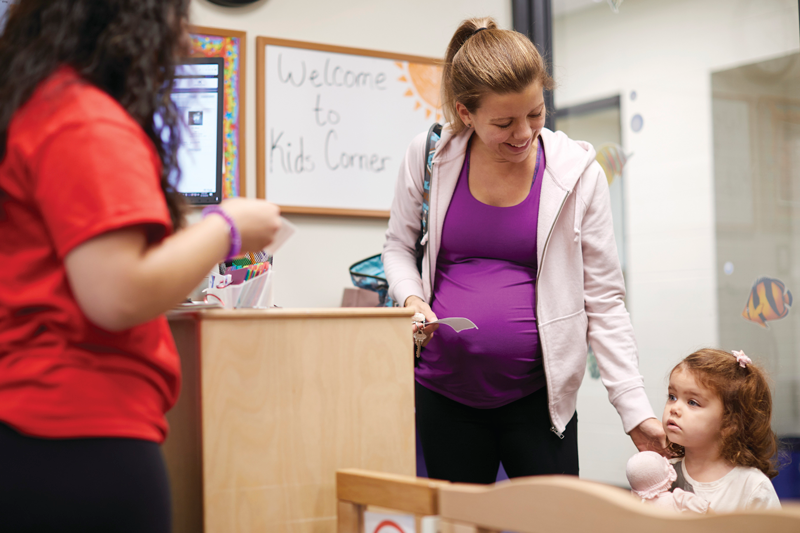
Young Children
Parents can start these conversations simply by ensuring young children know the correct names for their body parts. Children who know the proper names are able to talk more clearly to parents or other adults if something inappropriate happens. As you’re teaching body part names, you can help your child learn that parts of their body are private and that only their parents/caregivers can see them. Don’t forget to note that doctors may see them naked but only because you’re there with the doctor!
Equally important is to teach children boundaries both for themselves and for others. Boundaries have easily teachable moments, such as when a child doesn’t want to hug a relative, or during a tickle fight a child yells “Stop!”. Allowing young children to set their own boundaries teaches them body autonomy and helps them know when something makes them uncomfortable so that they can speak up.
Many abusers will tell a child to keep abuse a secret. It’s important that children understand that adults should never ask them to keep a secret, and if they do, they should tell you.
Teens
As children grow older, it’s key to keep lines of conversation open, so that they feel comfortable talking to parents or trusted adults if something happens to them or a friend. Talk to your teens about their friends, the other adults in their lives, social media and electronic communication. They need to know to not accept requests from people they don’t know, how to respond if someone (even a friend) asks them to send nude photos and that conversations online are never truly private. Continue the conversations about boundaries and what boundary violations look and feel like. Let them know that you are there to listen and support them.

SEE the Warning Signs
How to recognize if a child is in danger
Always keep your eyes and ears open for signs of abuse, listed below.
If something is wrong, you may SEE a sudden change in your child’s behavior, or you may hear unusual comments.
If you SEE or hear these things, follow up. Find a relaxed time to talk with your child, asking them about your concerns.
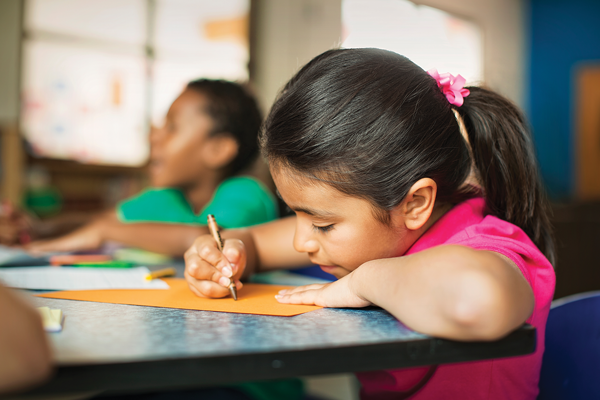
Here are some signs to look for:
- Unkempt or malnourished appearance
- Unexplained bruises, welts, or burns
- Disturbed sleeping or eating patterns
- Abrupt changes in behavior, anxiety, clinging, aggressiveness, or withdrawal
- Sexually transmitted diseases & infections
- Discomfort with physical contact
- Fear of a certain person or place
- Fearfulness or depression
How to recognize if an adult is a danger to a child
Offenders often operate through a process called “grooming.” Child grooming is the deliberate process of gradually initiating and maintaining a sexual relationship with victims in secrecy. Grooming allows offenders to slowly overcome boundaries long before sexual abuse occurs. On the surface, grooming a child can look like a close relationship between the offending adult, the targeted child and (potentially) the child’s caregivers. The grooming process is often misleading because the offender may be well-known or highly regarded in the community. As a result, it’s easy to trust them.
Examples of red flag behaviors:
- Pressing boundaries or breaking the rules to give a child special attention
- Giving inappropriate physical affection
- Sympathetic listening that starts to build barriers between a child and their parents or friends
- Offers to help the family in order to gain alone time with a child
- Gaining access to a child via the internet
RESPOND Quickly to Prevent It
If you see warning signs from your child or an adult, or you hear about something that sounds like abuse, RESPOND by reporting it immediately.
How to react if your child tells you about sexual abuse or inappropriate behavior
Your response plays a big role in how your child understands abuse and how he/she recovers.
- Give attention, compassion, and belief.
- Listen calmly and openly.
- Don’t fill in gaps.
- Don’t ask leading questions about the details.
- Ask open-ended questions like, “what happened next?”
- Don’t overreact.
- Say, “I believe you” and “what happened is not your fault.”
What to do if you believe a child is being abused
You do not need to have proof that abuse is occurring to make a report, only reasonable suspicion. Reasonable suspicion means that you have witnessed maltreatment or boundary violations, either in the child or adult, or both. Or, you have received a disclosure from a child about abuse, neglect, or boundary violations towards them.
Child Protection Resources
Learn more about steps everyone can take to help create a culture of safety and prevent child sexual abuse.
- Praesidium
- Darkness to Light
- Five Days of Action
- The CDC: Preventing Child Sexual Abuse
- National Child Advocacy Centers
Report An Incident
If you need to report an emergency situation involving child sexual abuse, please call 911. You may report abuse to the South Carolina Department of Social Services here. If you are not in South Carolina, you may find contact information for child abuse and neglect authorities for your particular state here.
Contact Us
If you suspect abuse at one of the YMCA of Upper Palmetto branches OR have any questions about our Code of Conduct or our child safety measures, please contact [email protected] OR submit a Y-Report.
If you suspect child sexual abuse has occurred at another Y association or program in the U.S., please notify Y-USA by completing this form .




 Angie Smith, is a gifted writer, encourager and loving mother of four. Together with her husband, former NFL player Steve Smith, they established The Steve Smith Family Foundation, which is dedicated to providing hope and inspiration to those in need while advancing causes close to the family’s heart – Promoting family health & wellness as well as the awareness and prevention of domestic violence.
 Meet Antoinette Johnson, the inspiring culinary star of “America’s Test Kitchen: The Next Generation” Hailing from Lexington, KY, she transforms simple, humble ingredients into extraordinary dishes, all while championing the use of fresh, locally-sourced produce. Through her triumph on “America’s Test Kitchen: The Next Generation,” Antoinette’s unwavering perseverance catapulted her career, proving that with passion and determination, anything is possible. With a heart dedicated to community and a love for supporting local farmers, Antoinette’s journey is a testament to embracing change, fostering growth, and inspiring others to follow their culinary dreams.